
Introduction to AI for Inventory Management
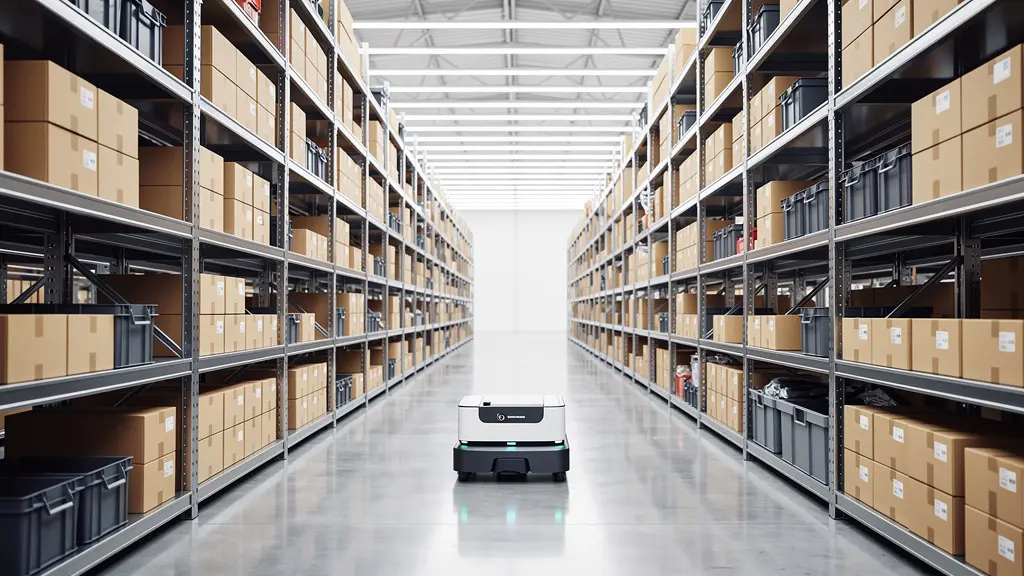
A warehouse full of boxes can hide two very different problems. On one side, empty shelves and angry customers because bestsellers ran out. On the other, pallets of slow movers quietly tying up cash and storage space. Studies show that many small businesses still do not track inventory properly, and stockouts cost companies billions every year. This is exactly where AI for inventory management comes in, transforming how businesses forecast demand, optimize stock, and maximize profits.
Instead of waiting for someone to notice that a product is running low, AI for inventory management uses data to predict what will sell, when, and where. It watches trends, seasonality, promotions, and external signals, then suggests or triggers the right actions. We move from counting what already happened to steering what should happen next.
“In God we trust; all others must bring data.” — W. Edwards Deming
In this guide, we walk through what AI inventory management really means, how it works in daily operations, and how it drives cost savings, accuracy, and better customer experiences. We also look honestly at data, cost, and people challenges, plus real industry examples and future trends leaders should watch. At VibeAutomateAI, we focus on clear explanations and practical playbooks, not vague promises. By the end, we want readers to feel ready to plan their own AI‑powered stock control program with confidence and a clear next step.
Key Takeaways from Ai for Inventory Management
Before diving into the details, it helps to see the big picture of what AI for inventory management can deliver and what it asks from a business.
- AI for inventory management moves stock control from manual, reactive counting to data-driven planning that predicts demand and suggests actions ahead of time. This shift reduces both stockouts and piles of dead stock. It also turns inventory from a back-office task into a contributor to growth and strategy.
- The main AI tools behind smarter inventory include machine learning, predictive analytics, and real-time data feeds from systems and sensors. When they work together, they support demand forecasts, automatic reordering, warehouse planning, and supplier tracking. This makes day-to-day decisions faster and more consistent.
- The business benefits show up in lower carrying costs, fewer emergency shipments, less spoilage, and higher profit per unit of stock. At the same time, customers see better product availability and more reliable delivery, which supports trust and long-term loyalty.
- Successful AI adoption depends heavily on data quality, clear goals, and solid change management. Clean, connected data and thoughtful process design matter more than fancy tools on their own. We often say the mix is about twenty percent technology and eighty percent planning and execution.
- Early adopters of AI inventory management build a real edge, because their systems keep learning while others are still stuck in spreadsheets. VibeAutomateAI acts as a strategic guide in that shift, with education, frameworks, and roadmaps that keep AI projects grounded in real business outcomes.
What Is AI for Inventory Management?
When we talk about AI for inventory management, we mean using artificial intelligence to plan, control, and reorder stock in a smarter way, with applications of artificial intelligence spanning demand forecasting, automated replenishment, and real-time optimization. Instead of a manager checking last month’s sales and guessing what to buy, AI models study large sets of data and make predictions about future demand. These models keep learning as new data arrives, which means the system can adjust as behavior or market conditions change.
The core technologies behind this approach are machine learning, predictive analytics, and large-scale data analysis. In practice, that usually means:
- Machine learning to find patterns in sales history, product attributes, promotions, and outside signals
- Predictive analytics to estimate how much of each item will be needed and when
- Data integration and analysis to pull information from sales channels, warehouse systems, supplier records, and IoT sensors into a consistent view
Traditional inventory management is mainly manual and rule-based. Teams set fixed reorder points, safety stock levels, and simple formulas, then react when those rules are triggered. This works up to a point, but it struggles when product counts grow, demand becomes more volatile, or supply chains get stressed.
AI-based inventory management, by contrast, is predictive and context-aware. It can treat a product differently by region, season, or channel, and it can update its view daily instead of once per quarter. The end goal is inventory optimization: holding just enough stock to meet service goals while keeping cost and waste as low as possible.
When this is done well, inventory stops being only an operational concern and starts acting as a strategic lever. At VibeAutomateAI, we focus on making these AI concepts clear and usable, so leaders can connect technical options to business outcomes without needing a data science degree.
How AI for Inventory Management Changes Core Inventory Processes

AI does not sit in a corner as a single app. It weaves into many daily inventory activities, from planning and ordering to picking and supplier management. When we apply AI for inventory management across these steps, we get a more responsive, steady, and data-aware operation.
Demand Forecasting and Predictive Analytics
Demand forecasting is one of the strongest use cases for AI for inventory management. Machine learning models can study:
- historical sales and returns
- seasonality and local events
- promotions and price changes
- signals like web traffic, social media trends, or even weather
The system spots patterns that are too subtle or complex for humans to see at scale, with a machine learning approach analyzing historical sales, seasonality, and external signals to generate more accurate predictions than traditional methods. This leads to forecasts that are more accurate than simple moving averages or rule-of-thumb estimates. With better forecasts, we can cut both stockouts and excess stock, and we can keep updating those forecasts as real-time data comes in.
Automated Replenishment and Smart Reordering
AI for inventory management also takes a lot of manual work out of reordering. Instead of staff watching spreadsheets, AI systems track stock levels in real time and compare them to dynamic reorder points that change with demand. When a product is likely to fall below its target window, the system can draft or even send purchase orders automatically.
It also considers supplier lead times and batch sizes, so orders align with real-world constraints. This supports leaner inventory, cuts human error, and frees teams to focus on vendor strategy rather than routine data entry.
Real-Time Visibility With IoT Integration
When AI links with IoT devices, real-time visibility becomes possible across the supply chain. Sensors on shelves, bins, pallets, and vehicles can send live data about item counts, locations, temperature, and other conditions. AI models process this stream of data and maintain an up-to-date picture of where each item is and in what state.
Computer vision can add another layer by reading barcodes or recognizing items on shelves without manual scanning. Instead of doing stock counts once a month, teams can see stock levels and movements continuously and react faster when something looks off.
Warehouse Operations Optimization
Inside the warehouse, AI for inventory management helps decide where to place items and how to pick them efficiently. Models can look at product dimensions, turnover rates, and order patterns to suggest better slotting, so fast movers are closer to packing areas and heavy items are stored where handling is safest.
Routing algorithms can design optimal pick paths for staff or robots, cutting walking time and errors. With better layouts and smarter routing, fulfillment times drop, labor hours go down, and the whole order-to-ship cycle speeds up.
Anomaly Detection and Risk Management
AI is very good at spotting patterns, and just as important, it is good at spotting when patterns break. In inventory management, anomaly detection can flag unusual sales spikes, stock drops, or location changes. These might signal theft, scanning mistakes, system bugs, or early signs of demand shifts.
When the system raises an early warning, teams can check and act before the problem grows. This supports business continuity, protects inventory accuracy, and reduces the risk of painful surprises during audits or peak seasons.
Supplier Performance Analysis
Vendors play a big role in how well AI for inventory management performs. AI tools can track metrics such as on-time delivery rates, quality issues, price changes, and response times. By comparing suppliers on these points over time, buyers gain a clear, data-based view of who is reliable and who is not.
That view supports better negotiations, smarter allocation of orders across vendors, and stronger long-term relationships, because discussions can be based on facts instead of feelings or isolated incidents.
The Business Case and Key Benefits of AI for Inventory Management
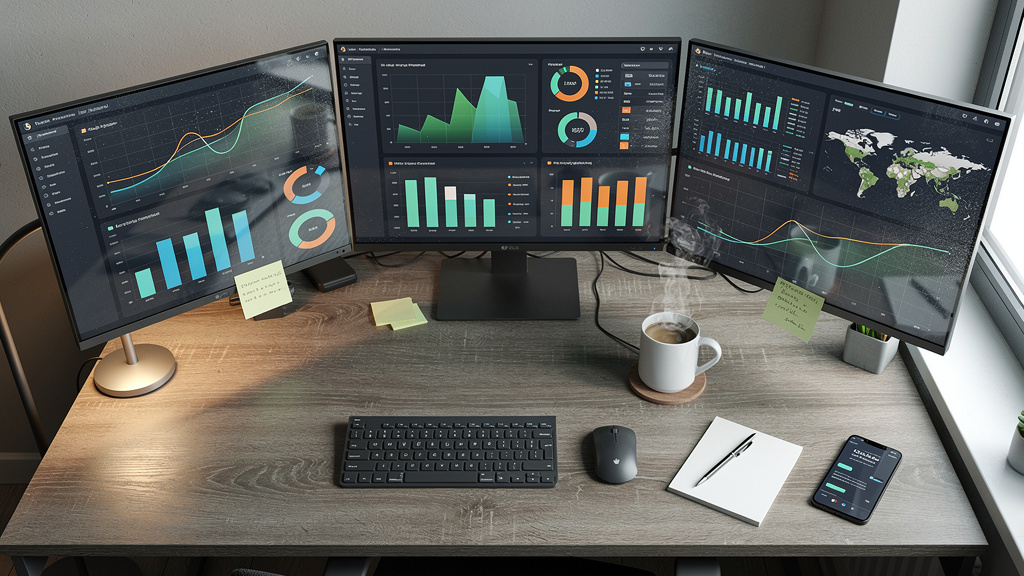
For executives, the main question is not only what AI can do, but why it makes financial sense. When we deploy AI for inventory management in a thoughtful way, the gains show up in cost, cash, service, and growth. It moves inventory from a problem area to a source of advantage.
“You can’t manage what you don’t measure.” — often attributed to Peter Drucker
How AI for Inventory Management Drives Cost Reduction and Maximizes Profits
The clearest impact of AI for inventory management sits in the cost line. Better demand forecasts and smarter reorder rules mean less excess stock on shelves, which cuts storage, insurance, and handling costs. In sectors with expiry dates, such as food or pharma, this also reduces spoilage and write-offs.
At the same time, fewer stockouts mean fewer lost sales and less need for expensive rush shipping to rescue key orders, with AI-powered inventory solutions enhancing accuracy across the entire supply chain to reduce emergency expenses and improve profit margins. Inventory turns usually improve, so the same amount of revenue can be supported with less capital tied up in goods. Many companies see strong payback within one to one and a half years when they measure savings across carrying cost, markdowns, and supply chain efficiency. VibeAutomateAI helps leaders frame these benefits in clear financial models and track the right indicators from early pilot through wider rollout.
Enhanced Accuracy and Operational Efficiency
Manual inventory management is prone to mistakes, especially when product counts, locations, and channels expand. AI models are far more consistent at reading large data sets and applying rules the same way every time. They can process sales and stock data in near real time, spot issues, and suggest actions faster than human teams could with spreadsheets.
When routine tracking, counting, and ordering tasks move to AI-supported workflows, teams spend less time on data entry and exception handling. Emergency orders and last-minute freight go down, because problems are caught earlier. That saves money and frees skilled staff to work on planning, supplier relationships, and process improvement.
Improved Customer Satisfaction and Loyalty
Customers rarely think about inventory systems, but they feel the results. AI for inventory management keeps popular items on hand more often, which removes a major source of frustration. Better visibility across online and offline channels also supports accurate delivery dates and fewer broken promises.
In some cases, the same data that powers inventory models can also feed recommendation engines, so shops stock and display products that match local tastes. Over time, this reliability and relevance strengthens customer trust and raises lifetime value, because people come back when they know they can count on steady supply.
Scalability for Sustainable Growth
Growth makes inventory harder to manage if processes do not change. More products, regions, and channels mean more data points and more chances for manual systems to fall behind. AI for inventory management scales far better than human-only approaches, because models can handle rising data volume without linearly adding headcount.
When a business enters new markets or adds new lines, the same AI platform can ingest that data and adjust its forecasts. This allows companies to grow their footprint while keeping operations lean. AI becomes a foundation for expansion that does not drown teams in extra work.
Navigating AI for Inventory Management: Implementation Challenges and Strategic Approaches
As strong as the case may be, adopting AI for inventory management is not a magic switch. There are real challenges around data, cost, security, and people, and ignoring them can stall progress. The good news is that these challenges are manageable when they are viewed early and handled with a clear plan. At VibeAutomateAI, we guide leaders through that planning so projects stay grounded and realistic.
Data Quality and System Integration
Every AI system depends on the data that feeds it. If sales, stock, and supplier data are wrong or scattered, the models will be wrong as well. Many companies hold inventory data across separate point-of-sale tools, warehouse systems, spreadsheets, and supplier portals, which creates silos and gaps.
A practical data foundation often includes:
- bringing key data sources together through integration tools
- setting shared naming and coding standards for products and locations
- running data quality audits to find and fix errors before they hit models
We encourage teams to connect AI tools to their existing ERP and warehouse management systems so data flows automatically in both directions. At VibeAutomateAI, we use data readiness checklists and simple scoring methods to help leaders see where they stand before heavy AI work begins.
Managing Investment Costs and Demonstrating ROI
The thought of new software, integrations, and training can feel expensive, especially for smaller firms. Instead of trying to change everything at once, we recommend a start-small, scale-fast mindset. Pick one clear use case for AI for inventory management, such as demand forecasting for a limited product group, and treat it as a pilot.
Subscription-based AI services can reduce upfront tooling costs and make it possible to test with lower risk. From day one, track leading indicators like forecast accuracy, time saved on ordering, and reduced rush shipments. VibeAutomateAI helps teams set realistic ROI timelines, often six to eighteen months, and design dashboards that show early wins to sponsors. We always remind clients that the technology is only a fraction of the effort; planning, process design, and follow-through matter far more.
Security, Privacy, and Compliance
Inventory systems hold sensitive business data and sometimes customer information as well. Adding AI for inventory management raises questions about who can see what, where data is stored, and how it is protected.
Companies need clear security controls, such as encryption, role-based access, and detailed audit logs for key actions. Regulations like GDPR and CCPA must be respected wherever they apply, along with industry-specific rules in fields such as healthcare and finance. Data anonymization and strict control over personal identifiers can reduce risk when training models. VibeAutomateAI includes governance frameworks and policy templates in our guides so teams can build security and compliance into their AI projects from the very beginning instead of bolting them on later.
Overcoming Organizational Resistance and Skills Gaps in AI for Inventory Management

People are at the heart of every change program, and AI can make staff nervous. Some fear job loss, others feel overwhelmed by new tools. We have found that clear communication makes a big difference, especially when leaders explain that AI for inventory management is there to act as an assistant, not as a replacement.
Sharing early success stories and involving front-line staff in pilot design helps build trust. The skills gap is another real concern. Training programs, vendor-led workshops, and partnerships with schools or consultants can grow internal capability over time. VibeAutomateAI offers educational content, templates, and coaching structures that help organizations build cross-functional teams with sponsors from operations, IT, and finance, so the change does not fall on one group alone.
Industry Applications: AI for Inventory Management in Action
AI for inventory management is not limited to one sector. Different industries face different stock challenges, but the same core ideas apply, with adjustments for context and regulation.
- In retail and e-commerce, where AI for inventory management helps manage seasonal swings and promotional peaks, models predict which items will spike during holidays or sales and spread those items across stores and fulfillment centers. Models predict which items will spike during holidays or sales and spread those items across stores and fulfillment centers. Omnichannel visibility lets staff see stock across online and physical locations, so orders can be routed from the best place. Computer vision can support in-store gap checks by scanning shelves and spotting empty spots faster than manual rounds.
- In manufacturing, AI connects production planning with inventory planning. Forecasts guide how much raw material to order and when to schedule production runs, so plants avoid both line stoppages and large piles of finished goods. Just-in-time style approaches become safer when supported by better data and predictions. Quality control data can also feed into inventory models, because defect rates affect how much usable stock really exists.
- Healthcare and pharmaceutical organizations care deeply about both availability and safety. AI for inventory management helps hospitals maintain enough critical supplies and medications without overstocking items that have strict expiration dates. Models can watch usage patterns across departments and adjust par levels by ward or clinic. For drug makers and pharmacies, AI can track product age and batch data, making it easier to rotate stock and meet regulatory reporting duties.
- Food and beverage businesses deal daily with perishable goods. AI can predict demand at the menu item or product level, so restaurants and grocers order just enough to serve guests while cutting food waste. Sensor data on temperature and humidity can feed into alerts when cold chain conditions drift from target. Over time, this supports both cost savings and better sustainability performance.
- Wholesalers, distributors, and construction firms manage large catalogs or material lists across multiple warehouses and sites. AI for inventory management helps decide which items should be positioned in which region to match local demand, cutting shipping distances and delivery times. It can also support load planning by grouping orders in ways that use vehicle capacity better. In construction, AI can forecast material needs by project phase, using past project data and current schedules to support timely procurement while avoiding large piles of unused material sitting on site.
The Future of AI for Inventory Management
The tools we see today are only the beginning. The next few years will bring more advanced AI capabilities into daily stock control, and those who prepare now will be better placed to use them. At VibeAutomateAI, we keep a close eye on these trends so our playbooks stay current for leaders planning beyond the next quarter.
Emerging Technologies Reshaping Inventory Control
Several technology trends are reshaping how inventory is monitored and controlled:
- Computer vision is moving far beyond basic barcode scanning. Drones and shelf-scanning robots can move through warehouses and stores, counting items and spotting damage with cameras and AI models. This reduces the need for manual cycle counts and improves data freshness.
- Expanded use of IoT devices adds deeper condition monitoring, with sensors tracking temperature, humidity, shock, and other factors along entire routes. Some firms are starting to link these feeds to blockchain records to improve traceability across partners.
- Natural language interfaces are making tools friendlier, so managers can ask inventory questions in plain speech or text and get clear answers or reports without digging through complex dashboards.
- Agentic AI is emerging, with platforms like ModelOp’s enterprise AI lifecycle management enabling software agents to monitor specific parts of the supply chain and adjust settings on their own within guardrails, further reducing the need for constant human input.
Strategic Implications for Competitive Advantage
These changes do more than trim costs. Early adopters of AI for inventory management gain a compounding lead, with tools like ConverSight’s decision intelligence platform helping their models learn from more data and their teams gain more practice in using insights to make faster, more accurate business decisions. Over time, AI becomes not just an efficiency tool but a core feature of how a company buys, stores, and sells.
Effects reach across the value chain, shaping procurement contracts, logistics routing, marketing offers, and customer service promises. Firms can build supply chains that are more resilient, responsive to real demand, and aligned with sustainability goals through lower waste and better transport planning.
Global investment in AI automation is projected to reach hundreds of billions of dollars by the end of this decade, and stock control is a major part of that wave. VibeAutomateAI exists to help organizations navigate this shift with solid strategy, clear governance, and a focus on real business outcomes rather than buzzwords.
Conclusion
Inventory might not sound glamorous, but it quietly shapes profit, cash flow, and customer trust every day. AI for inventory management turns stock control from a guessing game into a data-driven practice that can support growth instead of blocking it. The benefits range from lower carrying costs and fewer stockouts to faster fulfillment and happier customers.
At the same time, success is not about buying a single tool. It is about clear goals, clean data, good process design, and people who understand how to work with AI suggestions. In our experience, technology is only a small part of the effort; planning, change management, and steady improvement do most of the heavy lifting.
The risk of standing still grows as more competitors adopt AI for inventory management and build learning systems of their own. VibeAutomateAI is here to help leaders move forward with confidence, with education, frameworks, and step-by-step guidance that match real-world operations. The next stage of supply chain work belongs to organizations that treat inventory as a smart, learning system instead of a static set of numbers. Now is the time to start building that system.
FAQs
Question 1: What Is the Difference Between Traditional Automation and AI Automation in Inventory Management?
Traditional automation follows fixed rules that do not change unless a human updates them. AI automation, by contrast, learns from data and adjusts its behavior based on new patterns. For example, a fixed reorder point will always trigger at the same stock level, while an AI model can raise or lower that point based on seasonality, promotions, or local demand shifts. This makes AI better suited to handle complex and unpredictable situations in inventory.
Question 2: How Long Does It Take to See ROI From AI Inventory Management Systems?
Most organizations start to see clear financial results from AI for inventory management within six to eighteen months. The exact timing depends on factors such as data quality, system integration, and how wide the first use cases are. Early signs usually show up sooner in the form of better forecast accuracy, fewer rush orders, and time saved on manual tasks. We often suggest beginning with a focused pilot to demonstrate value quickly before extending AI across more product lines and locations.
Question 3: Do Small and Medium-Sized Businesses Benefit From AI Inventory Management, or Is It Only for Large Enterprises?
Smaller businesses can benefit greatly from AI for inventory management and often move faster because they have less legacy complexity. Cloud-based, subscription AI tools have reduced entry costs, so firms do not need large upfront investments in hardware or software. Because inventory is often a big share of assets for smaller firms, even modest percentage gains in turns or waste reduction can have a strong impact. At VibeAutomateAI, we create guidance specifically for small and mid-sized organizations, with roadmaps that grow as the business expands.
Question 4: What Data Is Required to Implement AI Inventory Management Successfully?
Successful AI for inventory management starts with a few key data types. These include:
- historical sales by product
- current stock levels by location
- supplier information and lead times
Extra data such as promotions, pricing, customer behavior, and external factors like weather or events can further improve model quality. Clean, consistent data matters more than sheer volume, so basic data hygiene is an important first step. Over time, more data sources can be added as systems and processes mature.
Question 5: How Does AI Inventory Management Integrate With Existing ERP and Warehouse Management Systems?
Most modern AI tools for inventory integrate with leading ERP and warehouse management systems through APIs. For older or custom platforms, middleware can act as a bridge that passes data between systems without large rebuilds. In a typical setup, data flows from transactional systems into the AI engine, which then returns forecasts, stocking recommendations, or reorder suggestions. Some companies let AI trigger actions automatically; others keep a human in the loop for review. VibeAutomateAI helps teams evaluate integration options and choose tools that fit cleanly into their current technology stack.
Read more about AI-Powered Learning Platforms
[…] Read more about AI for inventory management […]