

Introduction
When the World Economic Forum lists cybercrime among the top ten global risks, it is not speaking in theory. It reflects a hard reality where attacks hit banks, hospitals, schools, and small businesses every single day. At the same time, detection and prosecution rates in the United States sit below one percent, which means most offenders never face consequences.
Cybercrime has moved far beyond the stereotype of a teenager in a basement guessing passwords. Today, many operations look more like international corporations than street crime. They have managers, training teams, scripts, and even performance targets. They use artificial intelligence (AI), automation, and encrypted payment channels to move fast and stay hidden.
Every organization sits in the blast radius of this change. A small retail shop, a regional manufacturer, a school district, or a federal agency all rely on connected systems. That means they all sit on the same global attack surface. In this guide, we at VibeAutomateAI walk through what cybercrime is, how it works, the main types that matter for business, and the concrete steps that actually reduce risk.
By the end, we want readers to feel less overwhelmed and more prepared. This article explains the core concepts behind cybercrime, the tools and tactics attackers use, how law enforcement responds, and the everyday practices that keep systems and people safer. Along the way, we point to practical methods we use at VibeAutomateAI to help organizations protect their data, their teams, and their future plans.
“There are only two types of companies: those that have been hacked and those that will be.” — Robert S. Mueller III, former FBI Director
Key Takeaways
Before we dive into details, it helps to see the big picture. These points summarize what matters most from this guide and give a quick reference to return to later.
- Cybercrime covers many different offenses that use computers, networks, or the internet as the tool or the target. It includes everything from data theft and fraud to sabotage and espionage, and detection rates worldwide remain very low. That mix of scale and low risk makes this kind of crime very attractive to offenders.
- Modern cybercrime groups are organized, global, and highly skilled, and many of them use AI to speed up phishing, social engineering, and malware development. They operate across borders and often take advantage of weak laws or poor coordination between countries. This global nature means technical defenses alone are not enough.
- The most common threats for businesses and individuals include financial fraud, ransomware, phishing, spoofing, and identity theft. These attacks often start with a simple email or message that looks completely normal. Because they lean so heavily on human trust, training and awareness matter just as much as firewalls or antivirus tools.
- Effective prevention uses several layers at once, such as strong authentication, regular system updates, careful review of messages, and healthy habits around passwords and data sharing. When these measures work together, they reduce the chances that a single mistake will lead to a major incident. Over time, this layered approach turns security into a routine part of daily work.
- Fast and accurate reporting to the FBI’s Internet Crime Complaint Center (IC3) at ic3.gov can make the difference between losing funds forever and recovering part of them. Reports also give law enforcement the data they need to spot patterns and take down large groups. At VibeAutomateAI, we focus on tested, step‑by‑step methods that help organizations put these defenses in place without guesswork.
What Is Cybercrime? Definition and Core Characteristics

When we talk about cybercrime, we mean criminal activity where computers, networks, or the internet are either the weapon or the victim. In many cases they are both. A cybercriminal might break into a network to steal data, plant malware to disrupt operations, or use online tools to plan and coordinate other crimes in the physical world. In each case, the act is a socially harmful use of cyberspace that damages people, businesses, or governments.
The United Nations describes five main categories that sit at the core of cybercrime:
- Unauthorized access – breaking into a system or account without permission.
- Damage to data or programs – deleting records, corrupting databases, or altering information.
- Sabotage – interfering with the normal operation of a computer system or network.
- Data interception – secretly capturing data as it moves across a network.
- Computer espionage – secretly collecting sensitive or classified information.
Modern experts often group cybercrime in two big buckets that help business leaders think about risk:
- Pure‑technology cybercrime, where the main target is the technology itself. Examples include viruses, denial‑of‑service attacks, and other efforts to break the confidentiality, integrity, or availability of systems.
- Cyber‑enabled crime, where technology is the tool and people or organizations are the real targets. Online fraud, identity theft, and many social‑engineering scams fall into this category.
Several features make cybercrime different from traditional crime. Offenders often work across borders in a global information space, hiding behind layers of infrastructure and weak laws. Many groups follow a corporate‑style model with leaders, technical experts, money handlers, and front‑line operators. Computers can serve as the direct object of the crime, the instrument used to carry it out, or the platform for planning and coordination. Because of this mix, every organization, no matter its size, needs a basic grasp of these concepts before it can manage cyber risk in a serious way.
The Evolution and Global Scope of Cyber Threats
In the early days of the internet, most high‑profile hacks came from individuals or small clusters who were curious, bored, or looking for bragging rights. That picture has changed. Cybercrime now includes structured gangs and transnational syndicates that behave like multinational companies. They buy and sell tools, share training material, and even run help desks to support their victims during ransom payments.
One striking example is the shift of several China‑linked cybercrime rings from Southeast Asia into parts of Africa, a trend documented in recent studies on cybersecurity and cybercrime: current trends and threats that track these geographic movements. As law enforcement pressure grew in countries like Cambodia and Myanmar, some groups moved operations to Nigeria, Zambia, Angola, and Namibia. Police raids have discovered office‑like environments packed with computers, thousands of SIM cards, and training rooms where recruits learn phishing scripts, cryptocurrency scams, and other forms of online fraud.
These so‑called fraud factories rely heavily on technology. Interpol reporting shows that many of them now use AI‑driven tools to write convincing messages, build fake websites, and automate parts of their scam flows. They move money through encrypted channels and privacy‑focused cryptocurrencies, draining billions of dollars from victims around the world through fake investments and digital asset schemes. Weak or outdated cybercrime laws in some countries give them space to operate with little fear of arrest.
On top of this, cyberspace has become a theater for national power struggles. Cyberwarfare involves nation‑states using digital attacks against other countries, sometimes hitting power grids, banks, or government sites. The 2007 attacks on Estonia and 2008 attacks on Georgia showed how such operations can disrupt daily life on a national scale. For business leaders, this wider context matters because it shows how broad the threat really is and why steady investment in cyber defenses is no longer optional.
Major Types of Cybercrime: A Comprehensive Breakdown

This section acts as a reference map for the main types of cybercrime that affect businesses and individuals. When we help clients at VibeAutomateAI review their risk, we often start by walking through these categories and asking where they might be exposed. Keeping these types in mind makes it easier to spot weak spots in email flows, payment processes, and data handling.
Financial Fraud and Theft
Financially driven cybercrime is common because it pays well and scales quickly. Business Email Compromise (BEC) is one of the costliest examples. In a BEC case, an attacker tricks an employee by posing as a trusted executive or vendor and asks for an urgent wire transfer or sensitive financial data. The email might use look‑alike domains, stolen signatures, and previous thread content, which makes it very hard to spot without training.
Computer and internet fraud is a broad label that covers hacking into systems to change data, planting malware that steals bank logins, and running advance‑fee scams where victims pay for goods or services that never arrive. Carding rings trade stolen credit card details, while some groups focus on breaching payroll or invoice systems. Identity theft sits close to these crimes, since a stolen Social Security number or bank account can be used to open credit lines, file fake tax returns, or hijack existing accounts.
Spoofing and phishing are key tools for this category. Criminals send emails, texts, or phone calls that look like they come from real banks, cloud providers, or internal staff. Links point to fake login pages that steal credentials as soon as someone signs in. A newer twist is the digital arrest scam, where callers pose as police or federal agents and claim that the victim is linked to a crime. They keep the victim on camera or on the phone and pressure them into moving money into “safe” accounts that are actually controlled by the gang. All of these methods exploit human trust, which is why staff awareness and strong verification steps matter so much.
Extortion and Disruption
Extortion‑based cybercrime threatens a business with damage unless it pays. Ransomware is the most familiar example. In a ransomware attack, malware encrypts files or whole systems so that no one can use them. The attackers then demand payment, often in cryptocurrency, in exchange for a decryption key. In recent years, thousands of large ransomware incidents have hit industrial firms, schools, and hospitals, with average demands measured in millions of dollars and with some attacks linked to serious harm for patients and communities.
Cyberextortion also includes threats to flood a website or network with traffic through a Distributed Denial of Service (DDoS) attack. In a DDoS event, a swarm of devices sends junk requests until the target server can no longer respond to real users. Some groups threaten to release private data, a practice known as doxing, or to disclose security flaws unless they are paid. For any business, these attacks can mean downtime, lost trust, and hard choices about whether to pay or fight.
Harassment and Exploitation
Not all cybercrime is about money. Online harassment and cyberbullying involve repeated insults, threats, or shaming aimed at specific people. Social media and messaging platforms make this behavior easy to scale, and the psychological impact can be severe, especially for teenagers and other vulnerable groups, as documented in studies examining cyber-crime and its social dimensions. Anxiety, depression, and self‑harm are real risks when abuse continues over time.
Online predators use chat apps, games, and social platforms to contact and groom children. In some cases, this abuse links to cybersex trafficking, where victims are forced to perform sexual acts on camera for paying customers. Research suggests millions of victims worldwide, including large numbers of children, with many operations hidden behind closed doors or on the dark web. Organizations that work with minors have a responsibility to spot warning signs and report suspicious activity.
High-Level and State-Sponsored Threats
At the highest tier are threats tied to national or ideological goals. Cyberterrorism uses digital tools to spread fear, disrupt critical services, or support recruitment and propaganda. Cyberwarfare involves direct attacks by one state against another through hacking and related techniques. Targets may include power grids, transport systems, banks, and military networks, with the aim of weakening an opponent without firing a shot.
For most private companies, these state‑linked attacks may feel distant, yet they matter in two ways. First, suppliers and contractors that support government agencies or critical infrastructure face greater interest from these actors. Second, tools developed for such campaigns sometimes leak into criminal markets, where they are repurposed for regular extortion or data theft. That spillover raises the bar for defenses even in sectors that do not deal with national secrets.
The Tools and Tactics Cybercriminals Use
Every cybercrime incident rests on tools, tactics, or a mix of both. In some cases, the computer is mainly a tool used to reach people. In others, the system itself is the target. Many of the most successful attacks rely less on deep technical skill and more on social engineering that nudges people into clicking, paying, or sharing.
Phishing and spam remain the primary entry points for many campaigns. Attackers send massive volumes of unwanted messages that look like shipping notices, password resets, or invoices. A single careless click can start a chain that downloads malware or loads a fake website designed to steal passwords or multi‑factor codes. Because these emails often copy real branding and writing styles, traditional filters do not catch everything.
Social engineering sits behind much of this activity. Instead of fighting firewalls, criminals study how people work, what they fear, and what they want. They might call the help desk and pretend to be a stressed executive, or send messages that claim payroll will be delayed unless someone signs in right away. These methods need modest technical skills but take advantage of normal human reactions under pressure.
Ad fraud is another tool that brings in large sums with low visibility. In this scheme, criminals trick advertisers into paying for fake traffic or fake conversions. They might run botnets that mimic user clicks, stuff hidden pages full of ads that no real person sees, or use fake social media accounts to inflate follower counts. They also rely on shady hosting and domain services that look legitimate on the surface.
The dark web adds another layer. Markets reachable only through special browsers host sales of stolen data, drugs, weapons, and hacking tools. Many deals use privacy‑focused cryptocurrencies, and some markets simply vanish after collecting payments, a practice known as an exit scam. On top of that, the internet carries illegal material such as child exploitation content, which law enforcement around the world targets aggressively. Understanding these tactics helps security teams choose the right mix of filters, monitoring, and education.
How Law Enforcement Combats Cybercrime

Law enforcement plays a key role in raising the cost of cybercrime, even if many offenders never face trial. In the United States, the Federal Bureau of Investigation (FBI) is the lead agency for cyberattacks and intrusions. The FBI Cyber program focuses on disrupting adversaries, protecting the economy, and keeping critical services running.
The FBI maintains cyber squads in all fifty‑six field offices, staffed with agents and analysts who specialize in digital cases. For major incidents, the Cyber Action Team (CAT) can deploy across the country in a matter of hours to help contain and investigate. A permanent watch floor called CyWatch operates around the clock, tracking threats and coordinating responses between field offices and partners.
Because cybercrime crosses borders so often, the FBI relies heavily on partnership. The National Cyber Investigative Joint Task Force (NCIJTF), led by the Bureau, brings together more than thirty agencies from law enforcement and the intelligence community. They share space, data, and operations to connect cases that may look separate at first glance. Cyber assistant legal attachés posted in United States embassies help coordinate with foreign police and prosecutors.
Other agencies play important supporting roles. The Department of Homeland Security, through the Cybersecurity and Infrastructure Security Agency (CISA), works with government offices and critical sectors to strengthen defenses and share threat information. The United States Secret Service focuses heavily on financial cybercrime and runs the National Computer Forensic Institute, which trains state and local officers in digital forensics and incident handling. Despite these efforts, encryption, anonymity tools, and weak legal systems in some countries keep many offenders beyond easy reach, which is why we still urge clients at VibeAutomateAI to treat prevention as their primary line of defense.
How to Report a Cyber Incident: A Step-by-Step Guide
When cybercrime hits, speed matters. Quick reporting can limit further damage, increase the chance of recovering stolen funds, and help law enforcement connect your case with others. One of the biggest mistakes we see is silence, either from embarrassment or from not knowing where to start.
Use this basic sequence when you suspect a cyber incident:
- Handle emergencies first.
If there is an active crime in progress, a threat to life, or a concern about national security, contact authorities right away. A report can be filed through tips.fbi.gov or by calling the nearest FBI field office. Local police may also need to be contacted, especially if there is a physical safety issue linked to the event. - Report business‑related crimes to IC3.
For many incidents such as BEC scams, ransomware, online fraud, or identity theft, the main portal is the Internet Crime Complaint Center at ic3.gov. When filing there, it helps to provide detailed information on dates, accounts, email addresses, domains, and any payments made. - Support fund recovery efforts.
The IC3 uses these reports for both investigations and trend analysis, and its Recovery Asset Team works with banks to freeze funds when possible. Many victims have had large transfers stopped because they reported within hours instead of days. - Integrate reporting into your incident response plan.
For organizations, we strongly advise building these reporting steps into an incident response plan. That plan should spell out who gathers logs, who contacts law enforcement, who informs regulators, and how leadership keeps staff and customers updated. Clear roles reduce panic and help teams move through the right steps while the incident is still unfolding.
Essential Cybersecurity Practices for Prevention and Defense
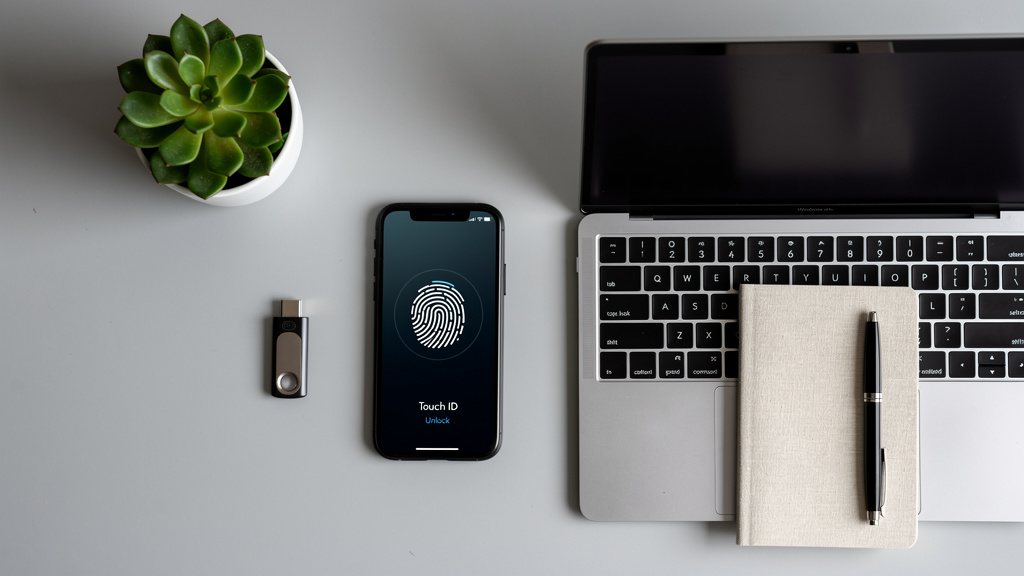
No matter how strong law enforcement becomes, prevention remains the most reliable way to manage cybercrime risk. The good news is that many of the most effective steps are simple habits and basic controls, not exotic tools. At VibeAutomateAI, we focus on practical checklists and automation playbooks that make these steps easier to follow day after day.
“Cybersecurity is much more than a matter of IT.” — Stéphane Nappo
System and Software Security
Strong security starts with the systems themselves. Regular updates for operating systems, browsers, and business applications close many of the holes that attackers look for. Software makers release patches to fix known flaws, and delaying those patches gives criminals a clear window of opportunity.
Installing reputable antivirus and anti‑malware programs adds another layer. These tools scan downloads, email attachments, and running processes for known threats and suspicious behavior. Turning on automatic updates for both the operating system and security software helps keep protection current without adding work for staff.
Account and Data Security
Accounts are the keys to the digital house, so they deserve special care. We recommend passphrases instead of short, complex passwords. A passphrase is a short sentence or string of random words that is easier to remember but very hard to guess. Each important account should have its own distinct passphrase so that one breach does not open several doors.
Multi‑factor authentication (MFA) adds a powerful second lock. With MFA turned on, logging in requires both a password and another factor, such as a code sent to a phone or a hardware key. Even if a password leaks in a phishing attack, the extra step can block an intruder. For sensitive systems like email, remote access, and financial tools, we treat MFA as a must‑have, not a nice‑to‑have.
Network and Connection Security
Network choices can either open doors for cybercrime or make life harder for attackers. Public Wi‑Fi in cafes, hotels, and airports is often unencrypted, which means others on the same network can sometimes spy on traffic. Conducting banking, payroll, or other sensitive work over these networks raises the risk of interception.
When staff need to work remotely, a trusted virtual private network (VPN) adds protection by encrypting traffic between the device and the company network. Firewalls and basic network segmentation inside the office can also slow down or limit the spread of malware if a single device is compromised.
Behavioral Security and Awareness
Human behavior sits at the center of most attacks. Training people to pause before they click, sign in, or send money may be the single biggest step any organization can take against cybercrime. Every suspicious email or message should be checked for mismatched addresses, odd wording, or an urgent tone that does not match normal practice.
Messages that arrive out of nowhere and ask for attachments to be opened or links to be clicked should raise a red flag. Staff should feel comfortable asking a colleague or manager to double‑check a message rather than rushing to respond. When in doubt, using a known phone number or a new email thread to confirm a request sidesteps many scams.
Oversharing on social media creates extra risk as well. Pet names, birthdays, schools, and favorite sports teams all make it easier for criminals to guess passwords or pass security quizzes. Limiting what is public can remove many easy clues. Payment requests deserve special handling, especially when they involve new account numbers or urgent changes. A second sign‑off from finance or a phone confirmation with a vendor can stop large fraud attempts.
Security awareness is not a one‑time event. Regular training sessions, short reminder messages, and simple phishing drills help keep the topic alive without scaring people. At VibeAutomateAI, we build guides and checklists that managers can plug into their onboarding and training programs so that safe behavior becomes part of normal work, not an extra burden.
The Legal and Legislative Framework for Cybercrime
Law and policy set the rules for how societies respond to cybercrime, but those rules often lag behind technology. Offenders may operate from countries with weak or unclear laws, use hosting in yet another country, and target victims in several more. That patchwork makes cross‑border investigations slow and gives many gangs a sense of safety.
In the United States, several key laws shape cyber enforcement. The Computer Fraud and Abuse Act (CFAA) is the main federal anti‑hacking statute and makes it illegal to access a computer without proper authorization. The Privacy Act of 1974 governs how federal agencies collect and use personal information. Later measures in 2014, such as the Federal Information Security Modernization Act (FISMA), the National Cybersecurity Protection Act, and the Cybersecurity Enhancement Act, updated how agencies manage security and encouraged information sharing and research.
A 2015 executive order gave the government more power to freeze assets and block the economic activity of people involved in significant cybercrime. On the international side, the Budapest Convention on Cybercrime aims to harmonize laws, set shared standards for investigations, and improve cooperation between countries. Penalties vary by state and by offense, from misdemeanors with fines to felonies that can lead to many years in prison. For business leaders, knowing this legal picture helps with compliance planning and with setting expectations when they consider legal exposure from data breaches or insider misuse.
Conclusion
Cybercrime has grown into one of the top global risks, powered by organized groups, state actors, and cheap access to powerful tools. It affects hospital patients, parents buying groceries online, and executives moving millions through wire transfers. Ignoring it does not make it go away; it only leaves gaps for someone else to exploit.
In this guide, we have walked through what cybercrime is, how it has evolved, and the main categories that matter for real organizations. We looked at the tools and tactics criminals use, how law enforcement fights back, and the everyday practices that reduce the chance of a serious incident. While no defense is perfect, even modest improvements in patching, authentication, training, and reporting can sharply cut risk.
Our message at VibeAutomateAI is simple. Treat cybersecurity as part of regular business planning, not as an afterthought. Compare your current controls with the practices described here, find the gaps, and start closing them in a steady, realistic way. We are committed to offering clear, tested guidance and automation‑friendly frameworks that help organizations of all sizes protect their systems, their people, and their plans for growth.
FAQs
Question 1: What Is the Difference Between Cybercrime and Traditional Crime?
Cybercrime uses computers, networks, or the internet as the main tool or the main target. It takes place in an online space where attackers can strike from almost anywhere on the planet. Traditional crime happens in the physical world and is usually tied to a specific place. Both kinds of crime involve intent and harm, but cybercrime often allows one person or group to hit thousands of victims at once while staying hard to trace.
Question 2: How Much Does Cybercrime Cost Businesses Annually?
Estimates put global cybercrime costs in the billions of dollars each year, and that number keeps climbing. Ransomware demands alone have reached average figures in the millions per incident. Business Email Compromise (BEC) has led to losses in the hundreds of millions through fake invoices and wire transfers. The real cost goes beyond direct payments and includes:
- Downtime and lost productivity
- Incident response and forensic work
- Legal fees and regulatory penalties
- Lost customers and damaged reputation
Smaller firms feel these hits especially hard because they have fewer reserves and limited backup options.
Question 3: Can Cybercriminals Be Caught and Prosecuted?
Yes, cybercriminals can be identified, arrested, and convicted, and there have been several high‑profile takedowns of major groups. At the same time, detection and prosecution rates remain very low, often quoted as under one percent in the United States. Encryption, anonymity tools such as Tor and virtual private networks, and safe havens with weak laws all make investigations harder.
International agreements like the Budapest Convention aim to improve cooperation, and agencies such as the FBI, DHS, and the Secret Service invest heavily in cyber units. Even so, we tell clients that building strong defenses is far more reliable than hoping an attacker will face justice later.
Question 4: What Should I Do Immediately After Discovering a Cyberattack?
The first step is to contain the problem. Disconnect affected machines from networks to stop malware from spreading, but do not wipe or reset them right away, since that can destroy valuable evidence. Document what happened, including any strange messages, files, or screens.
Next:
- Report the incident quickly through ic3.gov for fraud, BEC, or ransomware.
- Use tips.fbi.gov and local law enforcement if there is an ongoing threat or physical safety concern.
- Contact your internal IT or security team, or bring in trusted external experts, so they can begin technical analysis.
If personal data might be exposed, review legal duties to notify customers, staff, and regulators, and follow your incident response plan step by step.
Question 5: Is My Small Business Really a Target for Cybercriminals?
Yes, small businesses are very much in the sights of cybercrime groups. Many attackers see them as appealing targets because they often have valuable data but fewer dedicated security staff and tools. A small supplier can also be a stepping stone into a larger partner or client, which makes it even more interesting to criminals.
The belief that a company is “too small to be worth it” creates blind spots that attackers notice and use. Every organization, no matter its size, needs basic protections such as:
- Regular updates and patching
- Strong passphrases and multi‑factor authentication
- Backup plans for critical data
- Clear reporting and escalation steps
At VibeAutomateAI, we focus on practical, step‑by‑step guidance that small and mid‑sized firms can follow without needing a large security department.
Stay connected