Introduction
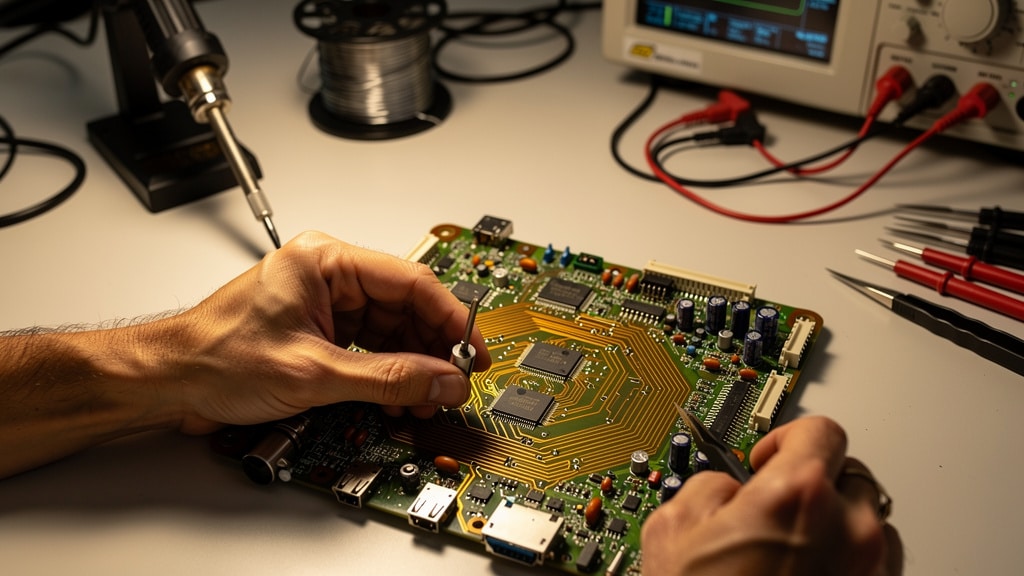
Imagine buying a complex machine and wanting to know exactly what every button does. Reverse engineering is the structured way we “take that machine apart” so we can see how each piece works and how it all fits together. Instead of guessing, we study an existing product, program, or system to understand its design and behavior.
Put simply, reverse engineering means working backward from a finished item to its blueprint. We use it with software, hardware, network protocols, and even encryption methods. When documentation is missing or a vendor is no longer around, reverse engineering lets teams see what is really happening under the hood.
For business leaders, IT managers, and security teams, this is far more than a technical hobby. It supports security testing, competitive analysis, vendor evaluation, and long‑term maintenance of critical systems. It can keep legacy platforms alive, reveal weaknesses in third‑party tools, and show how rival products are actually built.
At VibeAutomateAI, we turn topics like reverse engineering into clear, practical guidance that supports real decisions. This guide explains what reverse engineering is, why it matters for business, the main types and tools, how it supports cybersecurity, and the legal rules every organization needs to respect.
Key Takeaways
-
Reverse engineering is a structured way to analyze an existing product or system, break it down, and rebuild its blueprint in documentation. The main goal is to understand, improve, or integrate with it, not simply copy it.
-
Businesses use reverse engineering for competitive analysis, legacy system support, cost control, interoperability, and security testing. The findings help guide strategy, procurement choices, and risk management.
-
Law and ethics matter. Some uses are protected by fair use, interoperability rules, or security research exemptions, while others may conflict with contracts or intellectual property rights. Knowing the basics helps teams avoid trouble.
-
Reverse engineering supports safer technology environments. It helps maintain older systems, improves vendor selection, strengthens defenses against cyberattacks, and supports smarter planning around AI and automation projects. VibeAutomateAI offers guides and resources to help teams apply these ideas in day‑to‑day work.
Understanding Reverse Engineering: What It Is And Why It Matters

Reverse engineering is the practice of analyzing an existing object, system, or program to figure out how it was built and how it behaves. Instead of starting from requirements and designing something new, we start with a finished item and work backward to its structure and logic.
Most projects follow three broad steps:
- Information extraction: gather as much data as possible (measurements, logs, binaries, traffic captures, manuals).
- Modeling: turn raw data into diagrams, CAD models, or higher‑level descriptions of components and data flows.
- Review: check that the model matches the real system’s behavior.
From a business perspective, reverse engineering matters because it enables better decisions. It reveals how competitor products are built, how older systems can stay in service, and where hidden risks may exist in third‑party tools. While it takes time and skilled people, it is often cheaper than full replacement or operating blind.
The Primary Goals And Business Motivations Behind Reverse Engineering
People often assume reverse engineering is just about copying competitors. In reality, copying is a small and risky edge case. Most business use cases focus on learning, safety, and long‑term control of important systems.
Common motivations include:
-
Competitive analysis and pricing insight
Studying rival products shows which components they chose, where they cut corners, and where they invested. That insight helps product teams avoid weak designs, refine pricing models, and identify areas where they can offer better value. -
Legacy system maintenance
Many factories, hospitals, and public agencies still rely on hardware and software that is decades old. Vendors may have disappeared and documentation may be lost. Reverse engineering recovers enough knowledge to repair, extend, or gradually replace those systems without long outages. -
Interoperability and vendor flexibility
When a new system must talk to an old, proprietary one, reverse engineering of protocols or file formats may be the only way forward. Once teams understand how data flows, they can build compatible tools, change suppliers, or reuse parts of existing designs to control cost. -
Security and intellectual property management
Security teams analyze software and malware to find vulnerabilities and design defenses, often working with specialists in Software Reverse Engineering to reduce technical debt and maintain complex systems. Legal and technical staff may also review a product to see whether it likely infringes on a patent, or to support a “clean room” reimplementation that avoids copying protected code.
At VibeAutomateAI, we see reverse engineering as a strategic capability: it pays off when it protects key operations, reduces long‑term risk, or provides insight that cannot be gained any other practical way.
Types Of Reverse Engineering: Hardware, Software, And Beyond
Reverse engineering appears in many fields, but a few types matter most for business decisions:
- Mechanical and hardware reverse engineering
- Software and binary reverse engineering
- Protocol and network analysis
Each uses different tools but follows the same core idea: extract information, model it, and validate the result.
Together, these categories cover work from replacing an obsolete machine part to analyzing ransomware. Knowing which type you need helps you choose the right experts and plan time and cost.
Mechanical And Hardware Reverse Engineering
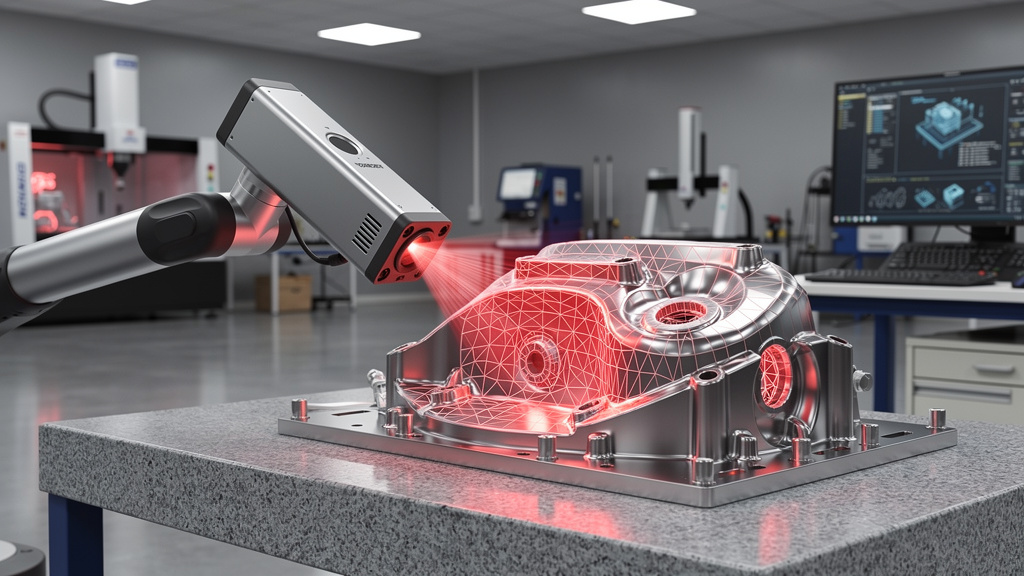
Mechanical and hardware reverse engineering focuses on physical products. Engineers start with a part or device and measure its shape, materials, and assembly, often using:
- 3D scanners and coordinate measuring machines
- Laser or structured‑light scanners
- Precision tools such as calipers and micrometers
They then build a 3D model in CAD software and document how each piece fits with the others, following approaches similar to One-Stop Shop: NVision’s Comprehensive reverse engineering services that combine scanning with metallurgy analysis. From that model, they can:
- Create manufacturing drawings
- Test how design changes would affect strength or performance
- Estimate the cost structure of a competitor’s part
This work is especially valuable in aerospace, automotive, industrial automation, and medical devices, where companies use Reverse Engineer Remanufacture processes to deliver manufacturable data and mission-ready components. It supports spare part replacement, quality control, and design improvement across an equipment’s life.
Software And Binary Reverse Engineering

Software and binary reverse engineering focuses on programs and code. When source code is available, engineers can examine structure, modules, and data flows directly and rebuild missing documentation. This is vital for understanding legacy systems inherited from former vendors or past development teams.
When source code is not available, specialists analyze compiled binaries. They rely on tools to:
- Convert machine code into assembly
- Attempt to reconstruct higher‑level code
- Step through a program while it runs, watching memory, files, and network activity
This type of work is central to cybersecurity. Analysts study malware to see how it spreads, what data it targets, and how to block it. They also review commercial software to look for hidden backdoors or weak encryption. For IT managers, knowing that critical products have undergone this level of review builds far more trust than marketing claims alone.
Protocol And Network Analysis
Protocol and network reverse engineering looks at how systems talk to one another. Engineers:
- Capture and inspect network packets
- Study message patterns between clients and servers
- Infer message formats, states, and error behaviors
This matters when interface documentation is missing or vendors keep protocols private. With enough analysis, teams can write new software that speaks the same “language,” which is essential for:
- Integration projects
- Custom API development
- Reducing vendor lock‑in
For businesses, this means smoother upgrades and more options when selecting tools and partners.
The Reverse Engineering Process: A Step-By-Step Breakdown
Every reverse engineering project is different, but most follow a similar structure. That structure keeps work focused and easier to manage.
-
Information gathering
Collect everything available about the target: physical measurements, manuals, log files, binaries, traffic captures, and public documentation. For software, this may include controlled test runs, network traces, and memory snapshots. -
Modeling the system
Turn raw data into models that humans can understand:- For software: module diagrams, control‑flow graphs, data‑flow diagrams, and simple pseudocode describing behavior.
- For hardware: CAD models, assembly drawings, and a bill of materials.
-
Review and refinement
Check whether the model explains what the real system does. Teams repeat tests, adjust assumptions, and fill gaps. For large projects, automated tools help by generating diagrams, tracing calls, and flagging inconsistencies. -
Documentation and knowledge transfer
Create clear documentation so other engineers, security staff, or auditors can reuse the findings. Good documentation turns one‑off analysis into lasting organizational knowledge.
When systems are safety‑critical, highly complex, or tied to major legal or financial risk, many organizations bring in specialized reverse engineering consultants. VibeAutomateAI often recommends this step once internal expertise or capacity is stretched.
Essential Tools And Technologies Used In Reverse Engineering
Reverse engineering relies on the right tools as much as on clever thinking. The exact toolkit depends on what is being studied.
For hardware and mechanical work, teams often use:
- 3D scanners and coordinate measuring machines
- Laser or structured‑light scanners and industrial CT scanners
- CAD software to turn point clouds into solid models
- Hand tools such as calipers, micrometers, and surface testers
For software and protocol analysis, common tools include:
- Disassemblers and decompilers that convert binaries into readable code
- Debuggers that let analysts step through instructions and inspect memory
- Network analyzers and packet sniffers that capture and decode traffic
On top of this, higher‑level tools visualize call graphs, module dependencies, and data flows, or group network messages into meaningful sequences.
When selecting tools, businesses should weigh:
- Cost and licensing
- Learning curve and available training
- Integration with existing workflows
- Vendor and community support
The VibeAutomateAI team often suggests starting with capable open‑source options for learning and early analysis, then adding commercial tools when scale, speed, or support needs justify the spend.
Reverse Engineering In Cybersecurity: Protecting Your Business

In cybersecurity, reverse engineering is one of the clearest ways to see how an attacker thinks. Rather than stopping at logs or threat summaries, analysts open up binaries and trace behavior step by step.
Key applications include:
-
Malware analysis
Engineers run malicious files in isolated environments and observe which files they touch, which keys they edit, and which servers they contact. Then they reverse engineer the binary to see how it hides, spreads, and receives commands. From this, they build detection rules and clean‑up playbooks. -
Vulnerability discovery
Many breaches start with a flaw in widely used operating systems, device drivers, or third‑party libraries. By analyzing binaries, researchers find memory bugs, logic errors, and weak cryptography before attackers take advantage of them. -
Vendor and supply chain assurance
Organizations that rely on many vendors can sample high‑risk products for deeper inspection. Reverse engineering may reveal unsafe coding practices, hidden debugging interfaces, or poor handling of secrets. Those findings support vendor scorecards and contract requirements.
As security expert Bruce Schneier famously wrote:
“Security is a process, not a product.”
Reverse engineering is a key part of that process. At VibeAutomateAI, we provide learning content that helps organizations build this capability while staying inside agreed legal and ethical boundaries.
Legal And Ethical Considerations Every Business Must Understand
Reverse engineering sits at the intersection of trade secret, copyright, patent, and contract law. Before authorizing a project, decision‑makers should understand the broad rules.
-
Trade secrets (U.S.)
Generally, a company that lawfully acquires a product can study it without this being treated as theft of trade secrets. Legal problems arise when the product is obtained improperly or when a duty of confidentiality is breached. -
Copyright and fair use
Courts have allowed reverse engineering for study, research, or interoperability in some cases. A well‑known example is Sega v. Accolade, where disassembling software to create compatible games was accepted. But copying protected code itself can still infringe copyright. -
Contracts and the DMCA
Many software licenses forbid reverse engineering, and courts often enforce those terms. The U.S. DMCA restricts bypassing protection measures, although there is a narrow exception when reverse engineering is needed for interoperability with an independently created program. -
Patents
Patents already require public disclosure of inventions. Reverse engineering is often used to check whether a product likely uses a patented method or to understand how a disclosed method was realized in practice. -
International perspectives
Rules differ by country. For example, in the European Union, Directive 2009/24 allows some reverse engineering of software when it is necessary to gain information for interoperability, but national laws and contracts still shape how that right applies.
To reduce legal risk, many organizations:
- Keep clear records of who did what, when, and why
- Use “clean room” methods, where one team analyzes a product and another, separate team writes a fresh implementation
- Set internal policies that combine technical goals with ethical standards
At VibeAutomateAI, we always urge teams to consult their own legal counsel before major reverse engineering work and to treat ethics as part of engineering, not an afterthought.
Conclusion
Reverse engineering sits at the meeting point of engineering, security, and business strategy. By working backward from finished systems to their design, organizations gain insight to maintain legacy assets, analyze competitors, and judge the safety of software and hardware that support daily operations.
We have covered what reverse engineering is, why it matters, the main types and tools, its role in cybersecurity, and the legal boundaries that shape what is allowed. Once these ideas are clear, leaders can bring them into security reviews, vendor evaluations, and modernization plans.
VibeAutomateAI will continue to publish practical guides that help businesses use AI, automation, and advanced security practices with confidence, drawing insights from resources like The AI Engineering Research report to inform when and how to call on deeper reverse engineering skills or outside expertise.
FAQs
Question: Is Reverse Engineering Legal For Businesses To Use?
In many situations it is, but context matters. U.S. law generally allows studying a lawfully acquired product to learn how it works, especially for interoperability, research, or security testing. At the same time, software licenses often restrict reverse engineering, and bypassing protection measures can trigger DMCA issues. Because rules vary by country and by contract, every organization should seek advice from its own legal counsel before starting major reverse engineering projects.
Question: What’s The Difference Between Reverse Engineering And Copying A Product?
Reverse engineering aims to understand how a product or system works. An engineer might analyze a device, document its behavior, and then design a different implementation that achieves similar results without using protected code or patented methods. Copying focuses on reproducing the product with little change, often by reusing code, schematics, or artwork. The first approach can stay within legal and ethical bounds when done carefully; the second can violate copyright, patents, and fair competition rules.
Question: How Much Does Reverse Engineering Cost For A Business?
Costs vary widely. A small software component may take one specialist a few days, while a complex piece of industrial equipment or a large application can keep a team busy for months. Typical expenses include:
- Specialist time and training
- Hardware for testing or measurement
- Software tools and licenses
- Legal review for sensitive projects
Reverse engineering often costs less than building a complete replacement or suffering outages due to unknown failures. It tends to pay off when systems are business‑critical, replacement options are limited, or the insight gained supports major strategic decisions.
Question: Can Reverse Engineering Help Improve Our Cybersecurity?
Yes. Reverse engineering is a core part of malware analysis, vulnerability research, and vendor risk assessment. By looking directly at binaries and behavior, security teams see how attacks work and where defenses are weak. That insight feeds into better detection rules, safer configurations, and more accurate vendor ratings. For many organizations, building or accessing this skill set is an important step toward deeper, evidence‑based defense.
Question: What Skills Do IT Professionals Need To Perform Reverse Engineering?
Professionals who work in reverse engineering need a mix of technical and analytical skills, including:
- Strong knowledge of at least one programming language
- Understanding of operating system internals, memory, and file systems
- Familiarity with TCP/IP, application protocols, and basic cryptography for network work
- Patience, attention to detail, and a methodical mindset
Training options include online courses, security certifications with reverse engineering modules, and hands‑on labs using disassemblers, debuggers, and network analyzers. Many organizations combine internal skill development with specialist partners—a balance VibeAutomateAI often highlights in our guides and learning resources.
Stay connected