
Introduction
Running a business without a clear Risk Mitigation plan is like driving fast at night with your headlights off. Things may feel fine for a while, but one hidden obstacle can change everything in a second.
Research shows that around two-thirds of organizations say their risks are at the highest level in more than 14 years, yet less than one-third believe their risk management is mature. That gap is where small problems turn into shutdowns, data breaches, lawsuits, or long-term damage to trust. We cannot remove every threat, but we can decide how well we are prepared when something goes wrong.
Risk Mitigation is not only about defense. When we manage threats with intention, we protect profit, keep operations running, and give teams the confidence to move faster with new ideas, AI tools, and automation. For small businesses, IT leaders, and decision-makers, a practical approach to Risk Mitigation often means the difference between a short setback and a crisis that stops growth.
At VibeAutomateAI, we focus on bridging theory and practice. We take high-level risk concepts and turn them into step-by-step actions, so a founder, an IT manager, or a school administrator can all apply the same core methods in ways that fit their own environment.
In this guide, we walk through what Risk Mitigation really is, the main types of risks, a simple five-step process, the four core strategies every leader should know, practical cybersecurity tactics, and the tools and culture that keep this work going. By the end, you should have a clear, concrete plan to start reducing threats and protecting both your operations and your reputation.
Key Takeaways
Risk can feel overwhelming, so this section gives a quick summary of what we cover and how it helps.
-
You will see how Risk Mitigation fits inside broader risk management and why it directly supports profit, uptime, and long-term strength. The focus stays on realistic planning rather than chasing the impossible goal of zero risk, which helps decisions feel calmer and more structured.
-
The article explains the four main strategies we can use for any serious threat: avoidance, reduction, transference, and acceptance. Each fits certain situations and resource levels. Knowing when to apply each one keeps teams from guessing or reacting only after damage happens.
-
A clear five-step process turns Risk Mitigation into repeatable work instead of one-off workshops. We cover how to identify, assess, prioritize, act, and monitor risks, so leaders spend time and budget on the risks that matter most.
-
Cybersecurity receives special focus because it affects almost every organization, from small shops to large enterprises. We cover practical measures, human factors, and incident response planning. These actions protect data, systems, and trust.
-
Culture, tools, and ongoing reviews tie everything together so Risk Mitigation does not live only in a policy document. We show how leadership behavior, simple frameworks, and the kind of practical guidance VibeAutomateAI provides turn risk thinking into a normal part of daily work.
What Is Risk Mitigation and Why It Matters for Your Business
“Risk comes from not knowing what you’re doing.” — Warren Buffett
When we talk about Risk Mitigation, we mean the planned actions we take to bring threats down to a level we can live with. It sits inside the broader field of risk management, which covers finding risks, studying them, deciding what to do, and then checking how things change over time. Risk Mitigation is the part where plans become real steps, not just discussions in meetings.
The goal is not to remove every risk. That is impossible and would also stop growth, because every new product, partnership, or technology brings some level of uncertainty. Instead, Risk Mitigation focuses on preparing for the threats that matter most and softening the blow when they happen. This can mean:
- Reducing how often an event happens
- Shrinking the damage if it does happen
- Shifting part of the impact to another party
Strong Risk Mitigation supports several very concrete results:
- It helps keep cash flow steady by avoiding large, surprise losses.
- It supports business continuity by planning how to keep serving customers during a cyber incident, power cut, or supply problem.
- It stops small issues, such as repeated process errors, from growing into larger crises.
There are also important soft benefits. A company that manages risk well builds a reputation for stability. Customers, partners, and investors trust leaders who can explain their Risk Mitigation plans. At the same time, surveys show that while threats are rising, only a minority of organizations feel their risk processes are strong. That gap is a clear business opportunity for smaller, more agile companies.
For small and growing businesses, one major event can wipe out several years of effort. Limited staff and tight budgets mean there is less room for mistakes. That is why we at VibeAutomateAI focus on making professional-grade Risk Mitigation methods simple enough for any size organization to apply, without needing a large internal risk team.
Common Types of Business Risks You Need to Know
Before we can manage risks, we have to see them clearly. Many leaders focus only on money or cybersecurity, but Risk Mitigation works best when we look across several categories. Thinking in these groups makes it easier to run workshops, list threats, and spot weak points.
Strategic Risks
Strategic risks come from the big choices leaders make about direction and positioning. When a company bets on the wrong market, misreads customer needs, or ignores new technology, that is a strategic risk coming to life. Failed product launches, poorly timed expansions, or slow reactions to new competitors can all reduce long-term strength. Good strategic Risk Mitigation means testing ideas, checking data, and building options instead of relying on one single plan.
Operational Risks
Operational risks live inside daily work. They arise from people, processes, systems, and outside events that disrupt how we deliver products or services. Examples include supply chain delays, machine breakdowns, shipping errors, or accidents on site. These risks appear often, and even small ones can add up to large costs over time. Strong processes, clear roles, and simple checks are powerful tools for Operational Risk Mitigation.
Financial Risks
Financial risks relate to cash, debt, and market swings. When customers pay late, when a business cannot cover short-term bills, or when currency or interest rates move sharply, we face financial risk. These events can trigger cuts in staff, missed investments, or even insolvency. Solid forecasting, careful credit control, and healthy reserves are core parts of Financial Risk Mitigation.
Compliance and Legal Risks
Compliance and legal risks arise when an organization breaks internal rules or outside laws and regulations. This may lead to fines, lawsuits, loss of licenses, or forced changes to operations. In many industries, the rule book grows more complex each year, especially around privacy and data. Legal Risk Mitigation starts with clear policies, training, and regular checks so teams understand their duties and follow them.
Cybersecurity and Technology Risks
Cybersecurity and technology risks are now near the top of many risk lists. Data breaches, ransomware, system outages, and unauthorized access can hit finances, daily work, and public trust all at once. As organizations adopt AI tools, cloud services, and automation, the number of possible entry points for attackers grows. That is why Cyber Risk Mitigation needs both strong technical controls and informed staff. VibeAutomateAI focuses heavily on this area, sharing tested practices for securing modern systems.
Natural Disasters and Physical Hazards
Natural disasters and physical hazards come from events outside our control, such as hurricanes, floods, fires, earthquakes, or major storms. Human-caused events like theft, sabotage, or workplace violence also sit in this group. While we cannot stop these events, we can plan where to place facilities, how to protect people and assets, and how to keep key services running. Good physical Risk Mitigation feeds into clear business continuity plans.
The 5-Step Risk Mitigation Process: From Identification to Action
Strong Risk Mitigation does not appear by chance. It follows a simple, repeatable process that we can apply to a small project or an entire company. We recommend a five-step method that moves from discovery through to daily monitoring. Each step builds on the last, and skipping one often brings surprises later.
At a high level, the process looks like this:
- Identify all possible risks
- Assess and analyze each risk
- Prioritize based on impact and likelihood
- Implement your chosen mitigation strategies
- Monitor and report on risks continuously
Step 1: Identify All Possible Risks

We start by listing every risk that might affect our goals, examining Key Risks and Mitigation approaches documented in recent healthcare and infrastructure studies that demonstrate systematic identification methods. This works best as a group exercise, bringing in people from finance, operations, IT, HR, and any other key areas. Each person sees different weak spots. We review past incidents and projects, study industry reports, and consider trends like new rules or technologies.
It helps to organize risks into clear categories such as strategic, operational, financial, and cybersecurity. At this stage, no risk is too small to write down. Tools like workshops, SWOT analysis, and scenario planning all support this discovery phase.
Step 2: Assess and Analyze Each Risk
Once we have a list, we rate each risk by two main factors: how likely it is to happen and how bad the impact would be. Many teams use a simple grid, where likelihood runs one way and impact runs the other. This creates levels such as low, medium, and high, or a scale from one to five.
We can mix simple scoring with numbers where they help, such as estimated cost. It is also important to look at controls already in place, like backups or safety rules. For specialized areas, such as cyber Risk Mitigation, we involve subject experts so ratings stay realistic.
Step 3: Prioritize Risks Based on Impact
We rarely have the time or budget to treat every risk at once, so we choose what to tackle first. We sort threats by their scores and then compare them to our risk appetite, meaning how much risk we are willing to accept in each area.
A risk that is both likely and very costly usually belongs near the top of the list. We also consider which risks could stop operations or harm people, even if they are less likely. Some departments may have their own top list, but it helps to create a single Top 10 Critical Risks across the organization.
Step 4: Implement Your Mitigation Strategies
With priorities clear, we move into action. For each important risk, we choose a strategy such as avoidance, reduction, transference, or acceptance. We record these choices in a risk register, which lists the risk, category, owner, chosen strategy, and current status.
Every major risk needs a named owner who is responsible for progress. We then break each strategy into specific steps with dates and measures of success. Communicating the plan, training staff, and setting aside a realistic budget are all part of this step. Risk Mitigation only works when people know what to do and feel supported in doing it.
Step 5: Monitor, Track, and Report Continuously
Risks change as markets, technology, and regulations shift, so Risk Mitigation is ongoing work. We set up regular check-ins, such as brief updates in weekly team meetings and deeper reviews each month. Key measures might include:
- Number of open high-risk items
- Time taken to close issues
- Number and severity of incidents
Modern tools like LogicManager | Enterprise Risk platforms can help track risks, send alerts, and create simple dashboards for leaders, automating much of the monitoring process. Regular reports keep risk visible and help spot patterns or new threats early. We suggest at least one full reassessment each quarter or twice a year. VibeAutomateAI provides guidance on using automation and AI to support this monitoring while keeping records that meet regulatory expectations.
Four Core Risk Mitigation Strategies Every Leader Should Know
Once we know which risks matter most, we choose how to respond. Across industries, four main Risk Mitigation strategies appear again and again. We often mix them, using more than one for the same threat. The right choice depends on impact, likelihood, cost, and how much risk the organization is willing to carry.
Risk Avoidance: Eliminate the Threat Entirely
Risk avoidance means we decide not to face a specific risk at all. Instead of trying to control it, we remove the activity that creates it. For example, a company might decide not to enter a very unstable market or not to store highly sensitive data it does not truly need. A project team may spread a critical task across several experts so the work does not depend on one person. This approach makes sense when the possible damage is far beyond what we find acceptable and when safer options exist that still meet our goals.
Risk Reduction: Minimize Likelihood and Impact
Risk reduction accepts that a threat exists but aims to make it happen less often or hit less hard. In many organizations, this is the main form of Risk Mitigation. We see it in safety training that cuts workplace accidents, preventive maintenance that keeps machines running, and clear procedures that reduce errors.
In cybersecurity, examples include strong passwords, multi factor authentication, firewalls, and regular security reviews. The same idea appears in health, where early screening lowers the chance of serious illness. Reduction is a good fit when we cannot avoid a risk but can bring it down to a level we can live with.
Risk Transference: Shift the Financial Burden
Risk transference does not remove the threat, but it moves part of the financial impact to another party. Insurance is the most common method. A company may buy coverage for property damage, cyber incidents, or business interruption so that a large share of the cost is carried by the insurer.
Contracts can also shift risk, such as service agreements that require a supplier to pay penalties for long delays. When we choose transference, we compare the cost of premiums or contract terms with the likely size of a loss. We also remember that, even with payment from another party, we still have to handle disruption to operations and customers.
Risk Acceptance: Acknowledge and Monitor
Risk acceptance is a planned choice to live with a risk without taking further action. This is not the same as ignoring it. We use acceptance when the chance of the event is low, the impact is small, or the cost of other options is higher than the benefit. Many low-level operational risks fall into this group after other Risk Mitigation steps. The risk that remains after treatment is often called residual risk.
When we accept a risk, we document the reasons and keep it on our watch list. If conditions change, such as new laws or higher threat levels, we may choose a different strategy later.
Practical Cybersecurity Risk Mitigation for Modern Businesses

Cybersecurity touches every part of modern business life, from customer trust to uptime to legal exposure. Attacks grow more advanced each year, using automation and AI to find weak points faster than humans alone. Ransomware, account takeovers, and data leaks can damage finances and reputation at the same time, so Cyber Risk Mitigation deserves focused attention.
“Security is a process, not a product.” — Bruce Schneier
A helpful starting point is the NIST Cybersecurity Framework, which organizes cyber work into clear functions:
- Identify critical assets, systems, and data
- Protect them with controls such as access limits and encryption
- Detect suspicious activity quickly
- Respond to contain and manage incidents
- Recover to restore normal operations
We can use this as a checklist and adapt it to our size and sector. At a basic level, every organization needs layered defenses. Firewalls, intrusion detection, strong endpoint protection, and careful network design all make attacks harder. Access control should follow the least privilege idea, meaning people only receive the rights they need to do their jobs. Regular reviews remove old accounts and unused access.
Data protection is another key piece of Cyber Risk Mitigation. Encrypting data while it is stored and while it moves, backing it up securely, and knowing which data is most sensitive all matter. Patch management keeps software and devices up to date, closing known holes that attackers scan for.
Technology alone is not enough. Many breaches begin with a simple phishing email. That is why we invest in:
- Regular security awareness training
- Clear rules for passwords and devices
- Practice exercises that help employees spot fake messages
When people know what an attack looks like and how to report it, they turn from weak points into a strong first line of defense.
We also need a written incident response plan before anything goes wrong. This plan sets out who leads, who talks to customers, how we contain the issue, and how we recover systems and data. Tabletop exercises, where teams walk through a fake incident, reveal gaps in a low-stress setting. Cyber insurance can be part of the plan as well, helping with legal, forensic, and recovery costs.
VibeAutomateAI supports Cyber Risk Mitigation with step-by-step guides on securing AI tools, automation platforms, and core systems. We focus on practical controls that smaller teams can manage, while still aligning with respected standards like NIST.
Building a Risk-Aware Organizational Culture

“Culture eats strategy for breakfast.” — Peter Drucker
Policies and tools will not help much if people ignore them. A strong risk-aware culture means that everyone, from the board to frontline staff, understands that Risk Mitigation is part of their normal job. It shapes how decisions are made, how problems are raised, and how success is measured.
Leadership sets the tone. When executives talk honestly about risks, ask for updates, and follow the same rules as everyone else, people notice. When they approve time and budget for risk work, such as safety checks or cybersecurity training, they show that it matters. Clear messages about why certain controls exist, and how they protect both people and the business, help teams accept short-term effort for long-term safety.
To weave Risk Mitigation into daily life, we can:
- Include risk questions in regular planning and review meetings
- Ask “what could go wrong?” before approving new projects
- Encourage teams to speak up when they see weak spots, without fear of blame
- Recognize staff who identify risks or near misses
Communication and learning are core parts of risk culture. Sharing stories of incidents, both inside and outside the company, helps others understand the real-world impact of good or poor Risk Mitigation. Training should not be a one-off event. Short, regular refreshers tailored to each role work better. IT teams, finance, operations, and educators all face different everyday risks, so examples must match their work.
At VibeAutomateAI, we design content to make complex risk topics clear and practical, so leaders can build this kind of culture without needing an in-house risk department. Over time, a risk-aware culture supports steady performance and gives stakeholders confidence in how the organization is run.
Essential Tools and Best Practices for Ongoing Risk Management
To keep Risk Mitigation active and organized, we rely on a few simple but powerful tools and habits. These do not have to be expensive platforms, although software can help. What matters most is that they are used often and kept up to date.
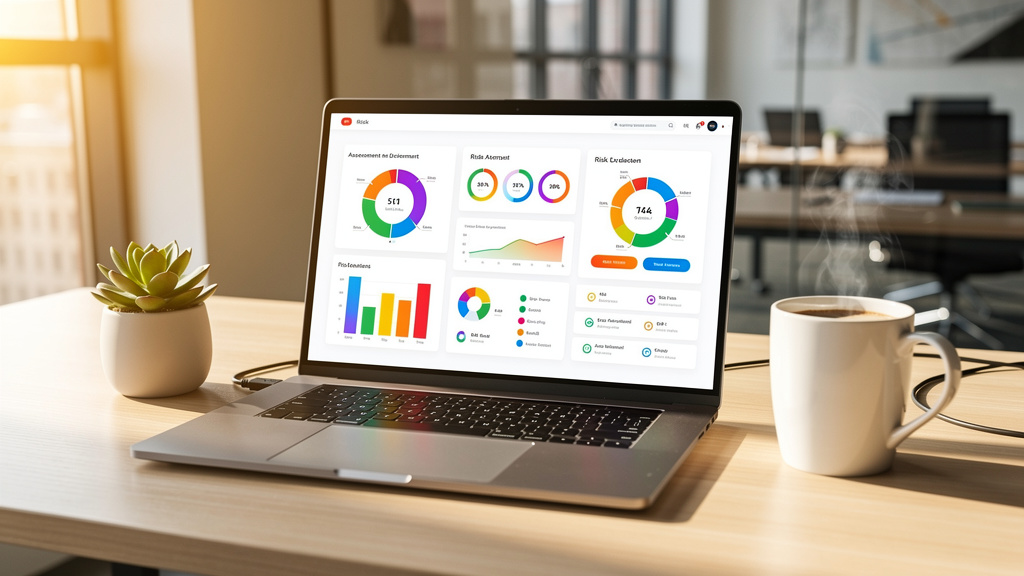
The risk register sits at the center. For each risk, it records a clear description, category, owner, likelihood, impact, chosen strategy, and current status. We store it where key people can see it, update it after meetings or incidents, and use it as the main reference during reviews. In this way, it becomes a living picture of our risk profile, not a document that gathers dust.
A risk assessment framework brings structure to how we rate and compare risks across departments. It defines scoring scales, terms, and decision rules so that one team’s “high” means the same as another’s. This makes reports clearer for both technical and non technical readers, including boards and external partners.
Modern risk and project management software like Hyperproof: The Intelligent GRC platform can make this work easier by integrating compliance monitoring with risk tracking in a single system. Helpful features include:
- Dashboards that show high risks at a glance
- Automatic reminders for overdue actions
- Shared spaces where teams can log issues and updates
Cloud based tools support access from different locations and make it easier to include remote staff.
Regular reviews are a best practice for any Risk Mitigation program. Many organizations hold full assessments quarterly or twice a year, with extra checks when major changes happen, such as new products, mergers, or big technology changes. During these sessions, we also review new regulations, industry guidance, and lessons from recent incidents.
Tracking a few key measures helps us see progress, such as:
- Number of open high risks
- Time taken to close them
- Cost of risk events compared with the cost of Risk Mitigation
- Staff participation in risk reporting or training
We also stay informed by following trusted sources such as NIST, FEMA, and CDC guidance, along with industry groups and alerts.
VibeAutomateAI supports this ongoing work by sharing current, practical guidance and tested approaches that organizations of many sizes can apply.
Conclusion
Risk will always be part of running a business, adopting AI, or modernizing systems, but the damage it causes is not fixed. With clear Risk Mitigation, we can move from fear and guesswork to planned action. We define our main risks, study their impact, choose smart strategies, and keep watch as conditions change.
The ideas in this guide are not limited to large enterprises with big risk teams. Small businesses, schools, startups, and mid sized companies can all apply the same five step process and four core strategies, at a scale that fits their resources. The reward is steady operations, protected data, and more confident decisions about growth and new technology.
Building and running a Risk Mitigation program takes effort, but it is well within reach when broken into clear steps. Start by listing your key risks, pick a few to treat first, and set simple habits for monitoring. Over time, this becomes part of how the organization thinks and acts.
At VibeAutomateAI, our goal is to make this work easier by turning complex ideas into practical guidance and tested methods. With the right mindset, tools, and culture, any organization can face uncertainty with far more control and resilience.
FAQs
What Is the Difference Between Risk Management and Risk Mitigation?
Risk management is the full cycle of dealing with uncertainty, from finding risks through to monitoring them over time. It covers identification, assessment, decision making, action, and review. Risk Mitigation is one part of that cycle, focused on reducing threats to an acceptable level. It is the stage where we choose strategies, put controls in place, and track how well they work.
How Often Should My Organization Conduct Risk Assessments?
Most organizations benefit from a full risk assessment at least once or twice per year. High risk areas, such as cybersecurity or critical operations, may need more focused reviews every month. Any major change, like a new product, a move into a new region, or a big technology shift, should trigger a fresh look at risks. Between formal assessments, teams should keep up light, ongoing monitoring.
What Are the Most Critical Risks Businesses Face in 2025?
Cybersecurity threats sit near the top of the list, including ransomware, data theft, and attacks that use AI to find weak points. Many businesses also face supply chain issues and political tensions that interrupt operations. Evolving privacy and data rules add compliance risk, while a shortage of skilled staff, especially in technology and security, makes Risk Mitigation harder. Economic swings and climate related events also weigh on planning.
How Much Should a Business Budget for Risk Mitigation?
There is no single number that fits every organization, but some patterns help. Many companies place five to ten percent of revenue toward broad risk and insurance costs. Within IT spending, cybersecurity often takes around ten to fifteen percent. The key is to compare the cost of Risk Mitigation with the likely cost of serious incidents, which is usually much higher. Budgets should grow as the organization and its risk exposure grow.
Can Small Businesses Implement Enterprise-Level Risk Mitigation Strategies?
Yes, smaller organizations can apply the same core Risk Mitigation ideas that large enterprises use, just with simpler tools and fewer layers. The first steps are to list top risks, choose a few high impact ones, and put basic controls in place. Affordable cloud platforms and well known frameworks like NIST are designed to scale down as well as up. VibeAutomateAI focuses on making these methods clear and practical, so even lean teams can use them effectively.
Stay connected